
2. Listening & Assessment
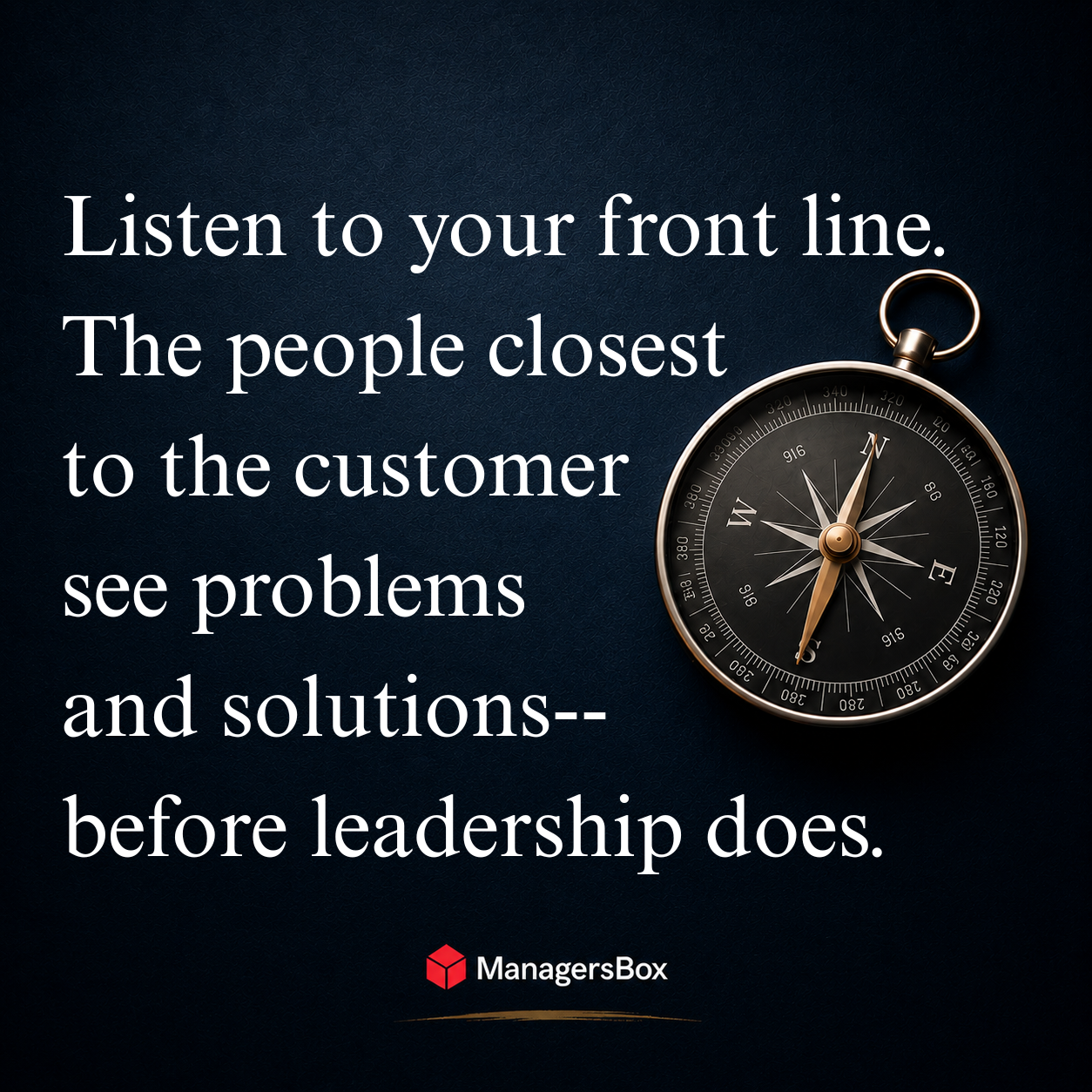
After orientation clarifies the landscape, listening and assessment deepen understanding. This step ensures decisions are informed by reality — not hierarchy, emotion, or assumption.
Purpose
Listening & Assessment validates what orientation revealed. It gathers perspective from those closest to the work, identifies friction points, and tests whether initial impressions hold under scrutiny.
Leaders who skip this phase often confuse visibility with accuracy.
What Listening Is Not
- It is not consensus-building.
- It is not open-ended venting.
- It is not delegating responsibility.
Listening is structured inquiry. It is disciplined and time-bound.
Key Questions
- Where is execution breaking down?
- What obstacles are recurring?
- What assumptions from leadership are inaccurate?
- What are teams not saying publicly?
- What trade-offs are already being made on the ground?
Assessment Focus
Assessment translates feedback into pattern recognition. Look for signals, not isolated complaints. Identify structural issues rather than personality conflicts.
- Is the problem process, capacity, clarity, or accountability?
- Is morale driven by workload, uncertainty, or misalignment?
- Are incentives aligned with stated objectives?
Common Leadership Error
Another error: asking for input after decisions are already made. That erodes trust and distorts future feedback.
Practical Application
A simple approach:
- Schedule short, focused conversations across levels.
- Ask consistent questions.
- Document themes.
- Close the loop with clear follow-up.
← Back to Leadership Framework